Pets in Pennsylvania State Parks: Leash, Crate and Attendance Rules
Planning a Pennsylvania state park trip with a pet means checking more than whether animals are welcome. Rules depend on the area, campsite or lodging you choose, and pets cannot be left unattended. This guide explains how to check whether your plan fits the park’s rules, what to confirm before booking, and how to make the visit more comfortable for your animal and other visitors.
Start With the Rule That Shapes the Whole Trip
Pennsylvania state parks welcome pets in some places, but permission is not the same across every park area or type of overnight stay. The useful first question is not simply whether pets are allowed. It is whether your particular animal can go where you plan to stay and spend time.
According to the Pennsylvania Department of Conservation and Natural Resources, dogs, cats, and certain caged animals are welcome in designated areas of Pennsylvania state parks. That wording matters: it does not promise that every animal can accompany you everywhere in a park. Check the rules for the specific area you plan to visit, and ask the park if the information is unclear.
The department’s campground guidance is also specific: pet-friendly campsites are available at designated campsites in most state park campgrounds, and pets may stay only at those designated sites. A campground may have pet-friendly choices without making every site suitable for a camper with an animal. Before reserving, confirm that the particular site is designated for pets, rather than assuming that a campground’s general pet policy covers all its sites.
There is also a control and attendance requirement to plan around. The Pennsylvania Department of Conservation and Natural Resources says pets must be physically controlled, attended at all times, and on a leash, caged, or crated; electronic fences and leashes are prohibited. In practical terms, your plan needs to keep the animal under direct control and with someone, rather than relying on a device or leaving the pet alone while the group goes elsewhere.
| Trip plan | What to verify before you commit |
|---|---|
| Day visit with a dog, cat or caged animal | Whether the specific areas you plan to visit are designated for pets |
| Campsite stay | Whether the particular campsite is designated for pets |
| Cabin or cottage stay | Whether the specific unit is designated for dogs |
| Visit involving time away from your pet | How you will keep the animal attended and controlled |
| Unclear or conflicting details | Which rule applies to your site, unit or park area; ask the park directly |
For overnight trips, the site or unit is the key detail. For a day visit, think about the full route: parking, trails or facilities you intend to use, and the places where your pet may need to wait with a person. If even one part of the plan depends on taking the animal somewhere, confirm that area before you set out.
A useful habit is to keep the rules for the exact campsite or lodging unit alongside your reservation details. That makes it easier to distinguish a park-wide statement about pets from the more specific information that applies to the spot you chose. For help understanding pet-site labels and maps, see Pets on Designated Sites Only and Spotting Them on a Campground Map and Keeping a Dog Leashed and Attended at a State Park Campsite.
Choose an Overnight Setup That Fits Your Animal
The right overnight option depends on what kind of animal you have, whether it can stay under control in the setting, and how much time your group expects to spend away from the campsite or lodging.
Campsites
For tent, trailer and RV campers, begin by checking whether the exact site is designated for pets. Do not rely only on the campground name, a general description of the park, or a map symbol you cannot interpret. Confirm the site’s designation through the official park or reservation information, and contact the park if the listing does not make it clear.
If a campsite is pet-friendly, that solves only the question of whether the animal may stay there. You still need to plan for the requirement that pets remain attended and controlled. For example, consider who will stay with the pet if other members of the group want to take an activity that is unsuitable for the animal. A campsite is not a substitute for someone being responsible for the pet.
Think about the actual camping setup, too. A dog may be comfortable resting in a crate or on a leash with a familiar person nearby; another animal may find the sounds, movement or unfamiliar surroundings stressful. Cats and caged animals may need a quieter, secure arrangement and a plan for keeping their enclosure stable. These are comfort and safety considerations, not a substitute for checking the park’s rules for the designated site.
For broader campsite comparisons, Comparing Campsite Options Before You Commit to a Campground can help you think through site types, while Pet Sites and Weekend Premiums on a State Park Campsite Bill covers questions to investigate about pet-designated sites and the reservation bill. For current costs or other booking details, check the official reservation information rather than relying on an old description.
Cabins and cottages
A cabin or cottage can be a better fit than a tent site for some trips, but pet permission depends on the particular unit. The Pennsylvania Department of Conservation and Natural Resources states: Only dogs are permitted in designated state park cabins and cottages. This is different from the broader statement that certain animals are welcome in designated park areas. Do not assume a cat or caged animal can stay in a cabin just because it is welcome somewhere else in the park.
Also avoid assuming that every cabin or cottage takes dogs. Confirm that the specific unit is designated for dogs before you book. If your preferred lodging is not clearly identified as dog-friendly, ask the park to verify the unit’s designation rather than relying on a search result, a general cabin description or a previous visitor’s experience.
The pet rule is only one part of deciding whether indoor lodging will work. Check what the unit provides, what you need to bring for your dog, and whether the planned activities leave a person available to attend the animal. A roof over your head does not remove the attendance requirement.
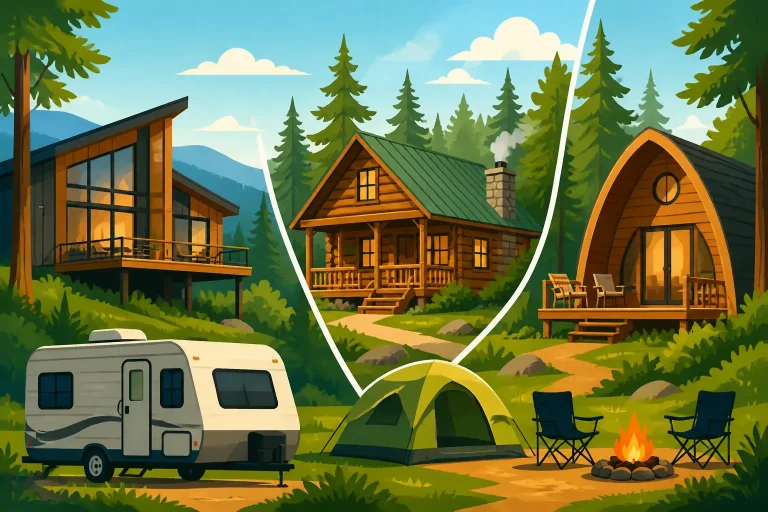
The site’s pet designation, the number of people the unit accommodates, and the amenities can all affect whether the booking is a practical choice. Use Dog-Friendly Cabins in Pennsylvania State Parks, Unit by Unit or Camping Cottages Where Dogs Can Sleep Indoors With You to explore the lodging questions in more detail. For yurts, check the specific pet policy for the unit rather than treating them as interchangeable with cabins or campsites; Which Pennsylvania State Park Yurts Allow Dogs? addresses that distinction.
A quick way to compare
| Option | Main advantage | Main question to settle |
|---|---|---|
| Designated pet campsite | Lets you bring an animal on a camping trip when the site is approved for pets | Is the exact site designated, and who will attend the pet? |
| Designated dog-friendly cabin or cottage | Provides indoor lodging for a trip with a dog | Is the exact unit designated for dogs, and does it suit your group? |
| Day visit | Avoids booking overnight lodging | Are the areas on your planned route designated for pets? |
If no suitable designated site or unit is available, changing the trip plan is usually better than hoping the park will make an exception. You could choose a different stay, visit without the pet, or look for a park area and itinerary that fit the rules. Do not book first and assume the animal can be accommodated later.
Reserve a Pet-Friendly Campsite With the Right Details
A campsite reservation can appear settled while leaving an important pet question unanswered: whether the reserved site itself is designated for pets. Treat the site designation as part of the reservation decision, not as a minor preference to resolve after arrival.
Start with the official listing and campground map. Look for wording that identifies the specific site as pet-friendly or designated for pets. A general campground page may describe the campground’s facilities or mention pets without identifying which sites allow them. If the site listing and map do not agree, or the terms are unclear, ask the park to confirm which source applies to your intended site.
When you compare options, consider the needs of both the animal and the people camping. A site that works for the RV or tent may not be a comfortable fit for a nervous dog or a pet that needs a more sheltered setting. Think about the sounds, foot traffic and space available around the campsite, without assuming that a particular layout changes the official pet rule. If the site’s designation is clear but the setup is uncertain, ask about the physical features that matter to your animal.
Before finalizing your plan, make sure the reservation information is consistent with the pet policy. Keep a record of the campground, site designation and any confirmation you receive from the park. This is especially useful if you are choosing between several sites or if a booking page shows only general campground information.
A practical booking check can follow this order:
- Choose the campground that fits your trip and equipment.
- Identify the exact site you want to reserve.
- Confirm that the site is designated for pets.
- Check whether the animal can remain attended and controlled throughout the stay.
- Review the official reservation details for current costs, conditions and cancellation information.
- Contact the park if the site’s pet status or the applicable rule is not clear.
That list does not replace the park’s instructions. It helps catch a common planning error: finding a campground that allows pets at some sites and then reserving a different, non-designated site.
Also consider how your group will handle activities that cannot include the pet. A designated site does not provide pet care. If the whole group plans to leave the campground, arrange in advance for someone to stay with the animal or choose activities that allow a person to remain nearby. If your plan depends on leaving the pet alone in a tent, vehicle or lodging unit, stop and check the rule and the animal’s welfare before continuing. The attendance requirement means the trip needs a realistic supervision plan.
For a broader explanation of reservation choices, How the Pennsylvania State Park and Forest Reservation System Works and How to Check Open Campsites for Your Dates on the DCNR Booking Site can help with the booking process. For a pet-specific question about what may appear in the reservation total, use Pet Fees for State Park Lodging and What Dog Owners Should Budget and confirm current charges with the official provider.
Plan Cabin and Cottage Stays Around the Unit, Not the Park Name
Pet-friendly lodging is a unit-level decision. A park may offer several kinds of overnight accommodation, yet that does not mean every cabin, cottage, yurt or other unit has the same pet policy. The safest approach is to verify the exact unit before you make a reservation.
For designated state park cabins and cottages, only dogs are permitted, according to the Pennsylvania Department of Conservation and Natural Resources. If you are travelling with a cat or caged animal, do not interpret the rule for designated park areas as permission to bring that animal into a cabin or cottage. Ask the park about an alternative that fits the animal and your planned stay.
For a dog, confirm that the specific unit is designated for dogs. A park’s general pet-friendly description can be useful as a starting point, but it does not prove that a particular cabin or cottage qualifies. If you have a unit name or number in mind, ask about that exact accommodation. If you have not selected one, request help finding units that are designated for dogs and then compare their amenities and booking conditions.
What to ask before booking
The questions below help turn a broad pet policy into a plan for a specific stay:
- Is this exact cabin or cottage designated for dogs?
- Does the designation apply to the unit I am considering, or only to other units at the park?
- What are the current reservation terms and charges for this unit?
- What should I bring for the dog, and what is supplied in the accommodation?
- What arrangements are available if a planned activity cannot include the dog?
- Are there instructions for reaching the unit or checking in that affect our arrival plan?
Ask for clarification if a listing uses unfamiliar terms. Do not infer that an accommodation is dog-friendly because it has similar facilities to one that is. Nor should you assume that an old review or a friend’s prior stay describes the current designation. Confirm the policy with the park or official reservation information for your intended visit.
The pet policy should also guide the trip’s daily schedule. If the dog must remain attended, everyone in the group cannot simply leave the lodging together unless another suitable arrangement has been confirmed. Decide in advance who will stay with the animal, which activities can include the dog, and whether the day’s plans need to be shortened or rearranged.
For lodging comparisons, Rustic, Modern, Cottage or Yurt: Matching Park Lodging to Your Group can help you compare accommodation types, while Dog Owners Eyeing a Deluxe Cottage and the Dogs-Only Lodging Rule discusses the difference between a general lodging choice and the dog-specific rule. To prepare for an indoor stay, Packing for a Modern State Park Cabin Stay: Questions to Ask First can help identify practical details to confirm.
A cabin or cottage may simplify shelter and storage, but it does not automatically solve questions about pet supervision, comfort or access to the places you want to visit. Choose a unit that works both for the booking rules and for the way your group expects to spend its time.
Build a Day Visit Around Designated Areas
For a day trip, it is easy to focus on getting the pet into the park and forget to check where the animal can go once you arrive. Because pets are welcome in designated areas, plan the route with the specific areas in mind instead of assuming the entire park is open to pets.
Start by listing the places you want to visit. These may include the area where you plan to spend time outdoors, facilities you expect to use, and the route between them. Then check the park’s official information for pet access in those places. If the map or wording is vague, ask the park which areas are designated for pets. A park-level statement that pets are welcome does not answer every location-specific question.
Keep the outing flexible. If a particular area is not suitable for a pet, your group may be able to adjust the itinerary, split up so someone stays with the animal, or choose a different destination. Do not assume that a short stop or a quiet time of day changes the designated-area rule.
Match the plan to the animal
Consider what your pet is likely to find manageable. A busy day with frequent transitions can be challenging for an animal that is uncomfortable around unfamiliar people, sounds or other animals. A shorter visit with fewer stops may be a better choice than an ambitious route. That is a welfare decision, not a park access rule.
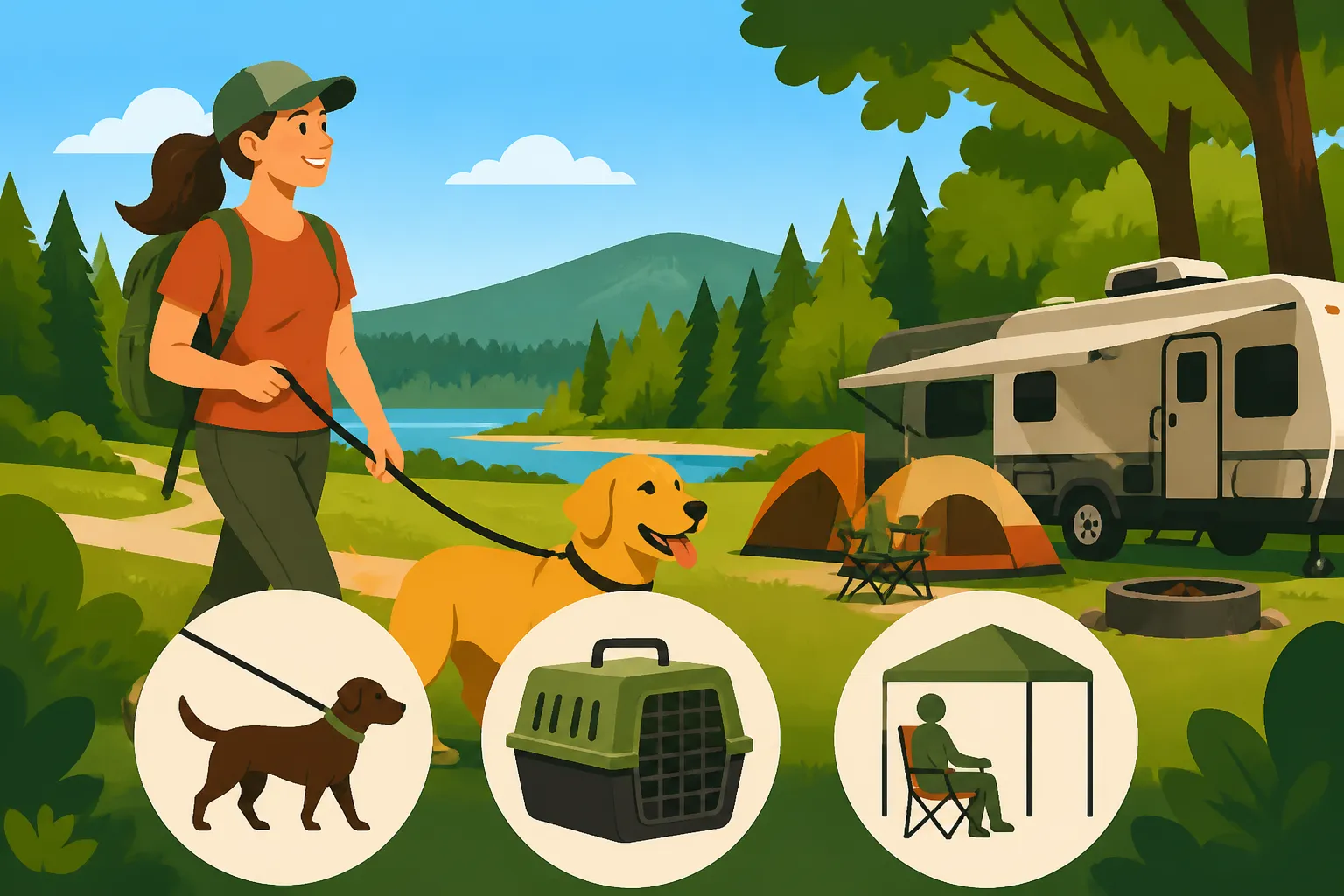
Before leaving, make sure the animal’s equipment fits the control requirement. If you are relying on a leash, crate or carrier, choose equipment that keeps the pet secure and that you can use consistently during the visit. Do not plan to rely on an electronic fence or an electronic leash; the department states that those are prohibited.
You will also need a plan for any place the pet cannot enter. Avoid treating the car as an automatic solution. Consider temperature, ventilation, the animal’s health and the length of time involved, and do not leave the pet unattended in a way that conflicts with the park’s requirement. If the plan requires someone to remain with the animal, decide who that person is before arriving.
Day visits with dogs have their own practical considerations, and Day Trips With a Dog to Pennsylvania State Parks can help you think them through. If your visit is a first one, Visiting a Pennsylvania State Park for the First Time may help with general preparation, while Comparing Park Amenities Online Before a First Visit offers a way to check facilities before you travel.
An alternative plan is useful even for a well-prepared trip. Keep a shorter route or a different activity in mind in case an area is unsuitable for pets, the animal becomes stressed, or the group cannot arrange supervision. A flexible itinerary is more useful than expecting the pet to adapt to every part of the day.
Keep the Pet Controlled, Attended and Comfortable
The core supervision rule affects how you travel, camp, use lodging and plan activities. It is not only about having equipment available; it is about keeping the animal attended and physically controlled throughout the visit.
According to the Pennsylvania Department of Conservation and Natural Resources, pets must be physically controlled, attended at all times, and on a leash, caged, or crated; electronic fences and leashes are prohibited. Follow that wording as written, and ask the park if you need help interpreting how it applies to your particular equipment or situation. Do not assume that a device, tie-out or unattended enclosure is an acceptable substitute for the specified control methods.
Set up a supervision plan
Before travelling, decide who is responsible for the pet at different points in the day. If the group may separate, identify who stays with the animal and how you will coordinate a change of plans. Avoid leaving that decision until the moment the rest of the group is ready to go.
At the campsite or lodging, prepare the pet’s resting space before unpacking everything else. Bring the familiar equipment your animal relies on, and check that it can be used securely in the setting. A crate, cage or carrier should be appropriate for the animal and suitable for the trip; the park’s control rule does not tell you which product is best for your pet.
Think through ordinary transitions, too: getting in and out of the vehicle, moving between the site and a designated area, and managing the pet when other visitors are nearby. Keeping the animal close and under control can help reduce unwanted interactions, but it does not guarantee that other people or animals will behave predictably. Give other visitors space, and be ready to change direction or pause if your pet becomes unsettled.
Prepare for comfort as well as compliance
Pack the supplies your animal needs for the length and conditions of the trip, and confirm what is available at the park rather than assuming you can obtain it after arrival. Consider food, water, waste cleanup materials, any medication your pet needs, and a familiar place to rest. These are basic planning considerations; they do not change the park’s requirements or establish additional rules.
Check whether the animal is suited to the weather, travel time and planned activities. If your pet has a medical condition, mobility limitation or severe anxiety, ask your veterinarian about whether the outing is appropriate and what preparations may help. For a remote or unfamiliar setting, a backup plan is particularly important because a pet that becomes unwell or distressed may need to end the visit early.
If the pet is a service animal, do not assume that a general pet rule answers every access question. Review Service Animals and the Dog-Only Cabin Rule: What to Confirm and contact the park or relevant official source for guidance about the specific location and accommodation.
Leaving a dog alone in a cabin is a separate question from whether a cabin is designated for dogs. Check the applicable attendance requirement and the conditions for the exact unit before making plans to go out without the animal. Leaving a Dog Alone in a Rented Cabin Under the Attended-Pet Rule provides more focused information on that issue.
Use a Pre-Trip Checklist and Have a Backup Plan
A little preparation can prevent the most frustrating problem: arriving with an animal and discovering that the campsite, lodging unit or planned area does not fit the rules. Work through the details before departure, and keep the official information accessible during the trip.
Before booking
- Identify the animal you plan to bring and the kind of stay you want.
- Check whether the planned park area is designated for pets.
- For camping, confirm that the exact site is designated for pets.
- For a cabin or cottage, confirm that the exact unit is designated for dogs.
- Ask the park about any unclear listing or conflicting information.
- Review current reservation conditions and charges with the official provider.
- Decide who will attend the pet when the group’s activities differ.
Before leaving home
- Recheck the official information for your site, unit and planned areas.
- Pack the control equipment your pet will use, along with its familiar supplies.
- Make a plan for meals, rest, waste cleanup and any medication.
- Save the park’s official information and reservation details where you can access them.
- Identify an alternative activity or a way to end the visit early if the animal is uncomfortable.
- Make sure everyone in the group understands who is responsible for the pet.
When you arrive
Confirm that the site or unit matches what you booked. If the designation is not apparent, or the setup does not match the information you received, contact the park for direction rather than making assumptions. Keep the pet controlled and attended as you settle in, and make sure the planned areas remain appropriate for the animal.
A backup plan should be specific enough to use. It might mean choosing a different area that is designated for pets, having one person stay with the animal while others do an activity, or shortening the visit. If no workable option fits the official rules and the animal’s needs, leaving the pet at home or changing the trip is the more reliable choice.
The best trip is not necessarily the one that includes the most activities. It is the one where the animal has a suitable place to stay, someone is responsible for it, and the group is not forced to improvise around a rule it could have checked in advance. For more trip-planning context, Picking a Pennsylvania State Park by Lodging, Amenities and Season can help narrow down the destination, and Ground Rules for State Park Visitors, From Alcohol to Chainsaws covers other visitor considerations.
Frequently Asked Questions
Can I bring a cat to a Pennsylvania state park?
Cats are welcome in designated park areas, but that does not mean they can stay in every type of lodging or visit every area. Check the rules for the specific place you plan to use.
Can I bring a pet to any campsite in a state park campground?
No. Pet-friendly camping is limited to designated campsites. Verify the exact site before making a reservation.
Can I bring a cat or caged animal into a state park cabin?
The cabin and cottage allowance applies to dogs in designated units. Ask the park about an appropriate alternative if you are travelling with another kind of animal.
May I leave my pet alone while I go to another activity?
Plan for the pet to remain attended. Arrange for a person to stay with the animal or choose an activity that fits your group’s supervision plan.
Do electronic fences or leashes meet the control requirement?
No. The department’s rule prohibits electronic fences and leashes. Check with the park if you are uncertain about the equipment you intend to use.
Sources
- Pennsylvania Department of Conservation and Natural Resources — PDFProvider.ashx?action=PDFStream&chksum=&docID=5049381&docName=StayTheNight_brochure&nativeExt=pdf&revision=1 (checked November 22, 2026)
- Pennsylvania Department of Conservation and Natural Resources — RV and Tent Campsites | Department of Conservation and Natural Resources| Commonwealth of Pennsylvania (checked November 22, 2026)
Disclaimer
This article is for general informational purposes only and does not constitute professional advice. Laws, prices and regulations vary by location and change over time. Consult a qualified professional for guidance on your specific situation. Pennsylvania Camping & RV is not a government agency and is not affiliated with any government agency.