Pennsylvania State Park Cabins: Modern, Rustic and Unique Houses
Choosing a cabin in a Pennsylvania state park can be harder than the name suggests. “Modern,” “rustic” and “unique house” point to different kinds of stays, but the label alone may not tell you what is inside or what to pack. This guide explains how to compare them, where cottages fit, and what to verify before choosing a park or making a reservation.
Start with the lodging type, not the word cabin
A cabin is not a single, standard package across Pennsylvania state parks. The label can cover lodging with different levels of furnishing, services, setting and seasonal availability. Even two options with similar names may suit different travelers, so treat the category as a starting point rather than a complete description.
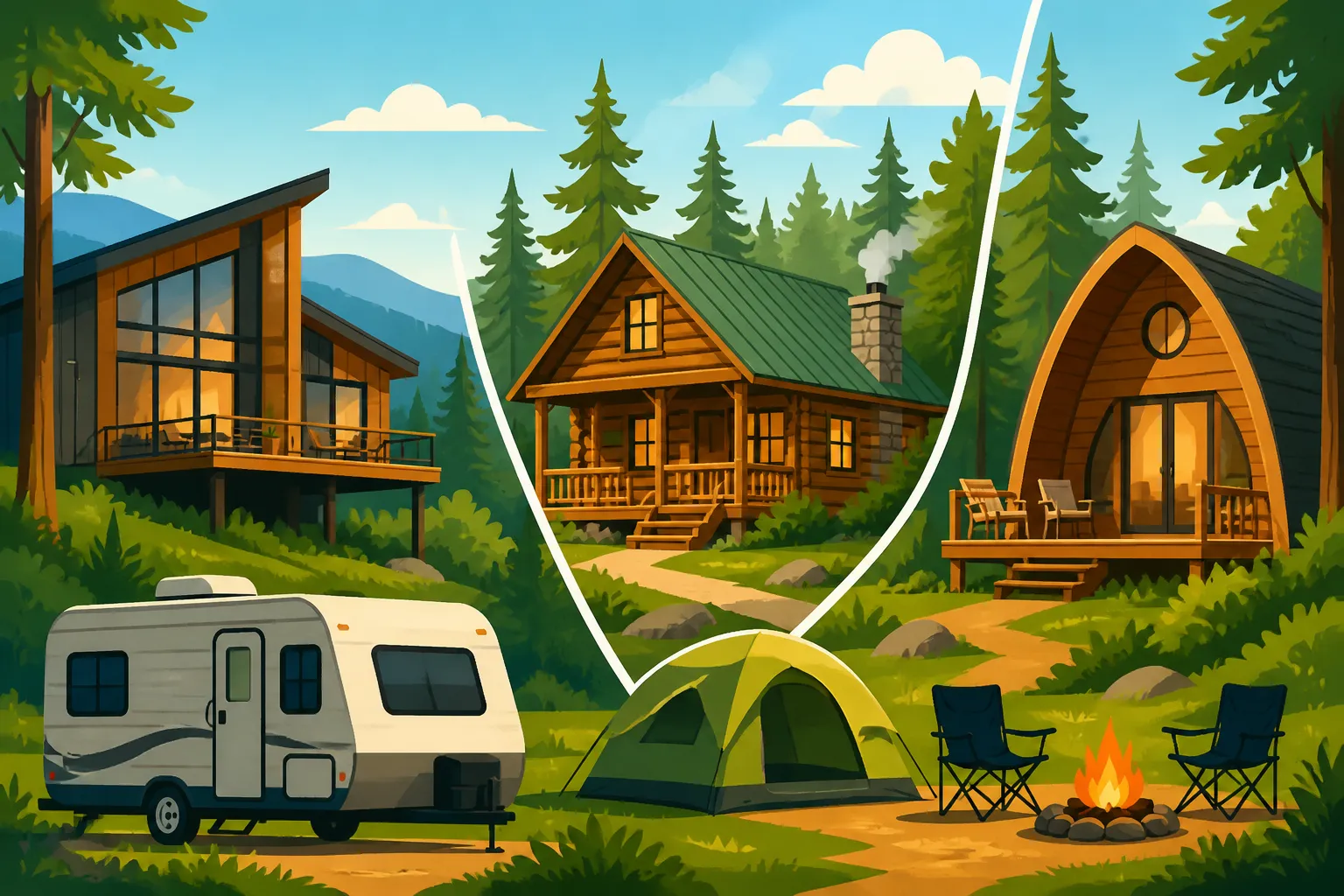
According to the Pennsylvania Department of Conservation and Natural Resources, Pennsylvania state parks offer State park inns; Modern and rustic cabins and unique houses; Deluxe cottages. The agency also lists other overnight choices, including yurts, camping cottages, campsites, trail shelters, organized group campsites and cabin camps. That broad mix makes it useful to decide what kind of shelter you need before you focus on a particular park.
The main distinction to keep in mind is how much convenience and preparation you want. A modern cabin may be a better fit if you want a more furnished stay, while a rustic cabin may appeal if you are comfortable bringing more supplies and doing without some conveniences. A unique house can offer a different layout or character, but its individual listing matters more than the broad label. A camping cottage is another option for people who want more shelter than a tent but do not need a fully equipped cabin.
| Stay type | A useful way to think about it | What to verify before choosing |
|---|---|---|
| Modern cabin | A more furnished lodging option, subject to the details of the individual cabin | What furnishings and facilities are included, what you must bring, and when it is open |
| Rustic cabin | A simpler stay that may require more preparation from guests | Water, cooking arrangements, bedding, restroom access, heat and seasonal availability |
| Unique house | A distinct property whose layout and features may not match a standard cabin | The property description, occupancy details, access, facilities and rules |
| Deluxe cottage | A separate lodging category in the state park system | How the individual unit is equipped, its season and its specific rules |
| Camping cottage | A shelter option between a tent stay and a more furnished lodging stay | What conveniences are provided and what camping gear or supplies remain your responsibility |
| Yurt | A separate type of overnight accommodation, not simply another cabin label | Sleeping arrangements, facilities, season and the park’s listing |
For a broader comparison of options by group and trip style, see Rustic, Modern, Cottage or Yurt: Matching Park Lodging to Your Group. If you are still deciding which park fits the trip, Picking a Pennsylvania State Park by Lodging, Amenities and Season can help you compare the destination as well as the roof over your head.
A practical first step is to write down what “comfortable enough” means for your group. Do you need a kitchen, or are you happy to bring a camp stove if allowed? Is nearby restroom access important? Will you bring your own bedding? Do you need a year-round option, or can your dates shift to match a seasonal opening? Those answers will narrow the search more reliably than choosing a cabin label first.
What a modern cabin may suit
A modern cabin is often the category to investigate when comfort and convenience matter more than a back-to-basics experience. But “modern” should not be treated as a promise that every cabin has the same appliances, sleeping setup, bathroom arrangement or household supplies. The details can vary by park and by unit, so use the cabin’s official description to confirm what is actually included.
Think about your needs in practical terms. If a traveler depends on a particular appliance, sleeping surface or facility, confirm that the specific unit provides it rather than assuming it comes with the modern label. The same applies to heating and cooling, cooking equipment, electrical access, water, restroom arrangements and furnishings. The point is not to expect every cabin to lack these things; it is to avoid making a plan around an amenity that has not been confirmed.
A modern cabin can be a useful choice for people who want a roof and a more settled base without bringing a tent and a full campsite setup. It may also make the trip easier for a group with mixed preferences: some members may want access to trails and outdoor activities, while others may value the shelter and indoor space. Whether a particular unit works for your group depends on its layout and occupancy details, not just its name.
Before you settle on one, review the full listing and make a short packing checklist from what it says is provided. Separate items into three categories: clearly included, clearly not included and unclear. For the unclear items, ask the park or check its official information before departure. That small check can prevent an inconvenient surprise, especially for bedding, cooking and personal-care needs. For a more detailed preparation list, see Furnished Modern Cabins and What Pennsylvania State Parks Provide and Packing for a Modern State Park Cabin Stay: Questions to Ask First.
Do not assume that “furnished” means stocked like a home rental. A description may identify beds or basic furnishings without promising linens, cookware or household supplies. Likewise, a kitchen-related feature may not tell you what utensils or appliances are available. If you have a must-have item, get confirmation or bring a suitable backup where practical.
The setting matters as much as the interior. Consider how far the cabin is from the activities you want, the parking arrangement, the approach to the unit and whether the surrounding area suits your group. A comfortable cabin in the wrong location can be a poor fit for a trip centered on a different part of the park. Use the park’s map and lodging description together, and check whether the route from parking to the entrance might be difficult for anyone in your party.
A modern cabin can be especially appealing when weather uncertainty makes a tent feel like a gamble, or when your group wants an indoor place to rest between outdoor plans. It is still worth making a weather plan: indoor lodging does not guarantee that roads, paths or activities will be unaffected by conditions. Check relevant park updates before leaving and again when you arrive.
What to expect from a rustic cabin stay
Rustic cabins are best considered as a simpler kind of lodging, not as a less attractive version of a modern cabin. For some visitors, the appeal is the straightforward shelter and the feeling of being close to the outdoors. For others, missing conveniences can make the stay uncomfortable. The right choice comes down to what your group is willing to bring, manage and do without.
Do not infer the exact facilities from “rustic.” Confirm the details of the cabin you are considering, including whether water is available, where guests use the restroom, how cooking works, what bedding is provided and what heating arrangements exist. These are planning questions, not claims that all rustic cabins share the same setup. Individual descriptions and current park information should guide your expectations.
A useful way to test whether a rustic cabin suits you is to imagine an ordinary morning and evening during the stay. Where will you get ready? What will you use to prepare food? What will you do if the weather is cold or wet? Where will damp gear go? How much lighting, cookware, bedding and cleaning supply will you need to bring? If the answers point to a long list of gear you do not want to pack, a different lodging type may be a better match.
Rustic does not necessarily mean that every aspect of the stay is primitive, and it does not mean that the unit has no features at all. It means you should not treat the cabin as interchangeable with a more furnished option. Verify features one by one. The individual listing is more useful than assumptions based on the general category.
The trade-off can be worthwhile for visitors who value a simpler overnight stay and are comfortable preparing in advance. It may also help a group spend more of its planning effort on outdoor activities rather than on finding a more elaborate lodging setup. But if your group includes people who depend on particular facilities, ask the park about the specific unit before committing.
When comparing a rustic cabin with a tent site, consider the shelter benefit alongside the preparation involved. A cabin can provide a solid structure, but it may not provide all the comforts or supplies you associate with a furnished rental. A tent site may offer a familiar camping setup for people who already own gear, while a rustic cabin may reduce some exposure to weather but still call for careful packing. The choice depends on your equipment, comfort needs and the cabin’s actual facilities. For details on the trade-offs, see Rustic State Park Cabins and the Comforts They Leave Out and Rustic Cabin or Camping Cottage: Which Suits a First Overnight?.
Check the cabin’s season before choosing travel dates. A rustic cabin may not have the same operating period as a modern cabin or another lodging option. Do not assume that a park’s campground season tells you when its cabins are available, or that one cabin category shares another’s calendar. Confirm the dates for the actual unit you want.
Unique houses, cottages and other alternatives
A unique house is a useful reminder that not every state park lodging option fits a standard cabin template. The name signals that the property is distinctive, but it does not, by itself, explain the layout, level of furnishing or practical details. Treat the specific property description as essential reading, particularly if your group has accessibility needs, a particular sleeping arrangement in mind or a firm preference about indoor facilities.
According to the Pennsylvania Department of Conservation and Natural Resources, Pennsylvania state parks have overnight accommodations in 65 beautiful state parks. That statewide figure can help show the breadth of overnight choices, but it does not tell you which lodging type is available at your preferred park or whether a particular unit fits your dates. Confirm availability and details through the official information for the park and lodging option you are considering.
A unique house may be an appealing choice when the property itself is part of the trip. But unusual design can also mean a less familiar layout. Look for information on sleeping areas, bathrooms, stairs, entrances, parking and the distance to nearby facilities. If any point is missing from the listing, ask rather than filling in the gap with assumptions. See Unique Houses in Pennsylvania State Parks and What the Term Covers for a closer look at the category.
Deluxe cottages and camping cottages are separate options worth comparing rather than treating as synonyms for cabins. According to the Pennsylvania Department of Conservation and Natural Resources, camping cottages are for campers seeking minimum modern conveniences, and where you are not as exposed to elements. That description highlights the basic trade-off: a camping cottage offers more shelter than a tent while remaining oriented toward a simpler camping experience. The exact features still depend on the unit’s listing.
If you are weighing a camping cottage against a modern or rustic cabin, compare what you bring and what you can expect to use at the destination. A camping cottage may offer a helpful middle ground for someone who wants shelter but does not need a more furnished stay. It may be less suitable for someone expecting a full kitchen, private facilities or household supplies unless the specific listing confirms them. Review Inside a Camping Cottage: Bunks, Shelter and a Nearby Restroom and How a Deluxe Cottage Differs From a Camping Cottage or Yurt when deciding between these categories.
Yurts are another distinct lodging type, and the same careful approach applies: confirm sleeping arrangements, included features, facilities, season and any pet or occupancy rules from the official unit information. A yurt may suit someone who wants a roof and a different camping experience, but it is not a cabin just because it provides indoor shelter. Compare the actual arrangements rather than judging by the word “glamping” or by photos alone.
If your priority is a particular feature rather than a category, search by that feature. For example, start with accessibility, pet eligibility, year-round availability or the sleeping arrangement you need, then check whether a suitable unit exists at the parks you would consider. That approach is usually more dependable than choosing a park first and hoping its lodging has the feature you need. For pet-related options, use Dog-Friendly Cabins in Pennsylvania State Parks, Unit by Unit or Only Dogs Allowed: Why Cats Can’t Stay in State Park Cabins as relevant.
Match the cabin to your group and trip
A cabin that works for a couple may not work for a family or a larger group. Before comparing scenic settings or amenities, establish who is going, how they sleep and what each traveler needs to be comfortable. Then compare the unit’s stated capacity and sleeping arrangement with the actual group. Do not assume the listed capacity is the same as the number of beds, or that everyone will be comfortable sharing the available space.
According to the Pennsylvania Department of Conservation and Natural Resources, at Black Moshannon State Park, five cabins sleep six and one sleeps eight, and they are open year round. This is a specific example of why it helps to read unit details: even within a single park, cabins can have different capacities. It should not be used as a template for other parks or other cabin types.
For any cabin, check how the official listing describes occupancy and sleeping spaces, then think through the needs of the people in your group. A child who sleeps on a separate bed, an adult who needs a particular sleeping surface, or someone who cannot use stairs may affect which layout works. If a listing does not answer a practical question, confirm it directly. How Many People Fit in a Pennsylvania State Park Cabin? and Friends Sharing a State Park Cabin When Bed Spaces Set the Limit can help with group planning.
Accessibility deserves early attention, not a last-minute check. A cabin may be described as accessible in one respect but still require confirmation about the route, parking, entrance, bathroom, sleeping area or nearby facilities that matter to your group. Describe your needs clearly when contacting the park and ask about the specific unit. See Accessibility at Pennsylvania State Parks: Sites, Lodging, Restrooms for questions to consider.
Pets can also narrow the options. Do not assume that a pet-friendly park allows pets in every cabin, or that a pet policy for campsites applies to cabins. Check the policy for the exact unit and ask about any conditions that affect your plans. If traveling with a dog is important, Dog-Friendly Cabins in Pennsylvania State Parks, Unit by Unit is a useful next step.
The trip itself should influence your choice. A cabin can serve as a base for hiking, swimming, sightseeing or a family weekend, but the best lodging is not always the one with the most features. Consider how much time your group will spend indoors, how far you want to travel between lodging and activities, and whether the surrounding park matches the trip’s pace. If the cabin is mainly a place to sleep, a simpler option may meet your needs. If you expect to spend substantial time inside, the layout and facilities deserve closer scrutiny.
For a family trip, make a plan for meals, downtime and changes in weather. For a group of friends, agree in advance about shared space and sleeping arrangements. For a trip with older adults or anyone with mobility needs, prioritize access and facilities before choosing based on scenery. Matching the unit to the people who will use it is more important than finding a cabin label that sounds appealing.
Compare location, season, facilities and cost
A lodging choice is only part of the decision. Park location, travel time, activities, operating season and the details of the unit can matter just as much. Begin with the parks that suit your trip, then compare available lodging within those parks. This avoids choosing a cabin type that looks right in general but is far from the places your group wants to visit.
Season is a key detail to verify. A park may have overnight options with different opening periods, and a cabin category should not be assumed to operate on the same schedule as a campground, another cabin or a yurt. Check the current official listing for the specific unit and dates you want. If your dates are flexible, compare parks and lodging options that operate during the same part of the season.
Facilities should be compared as a checklist, not as a vague impression. For each candidate, record what is confirmed about sleeping, cooking, water, bathrooms, heating, electricity, parking and outdoor space. Add accessibility and pet information where relevant. Keep “not stated” separate from “not provided”: silence in a description is a reason to verify, not proof either way.
Cost also needs a like-for-like comparison. Check the current amount shown by the official reservation system or park information for the dates and unit you are considering. Then identify any additional charges or conditions that apply to that stay. Do not compare a cabin’s displayed rate with a campsite total unless you have included the different supplies, equipment and facilities you would need for each option. Rates and policies can change, so use current provider information rather than an old screenshot or a general estimate.
A useful comparison sheet might include:
- Park and unit name
- Lodging category
- Dates offered
- Sleeping arrangement and stated capacity
- Cooking and meal-preparation details
- Water and restroom arrangements
- Heating and electrical information
- Bedding and household items provided
- Parking and route to the unit
- Accessibility information
- Pet policy
- Current total shown for the stay
- Questions still requiring confirmation
This keeps the comparison grounded in the details that can affect the experience. It also makes it easier to see when two options are not truly comparable. For example, a more furnished cabin and a camping cottage might differ in what you need to pack, while two cabins with the same broad label may differ in their actual features.
Check the official reservation details for cancellation, payment and change conditions before completing a booking. Those terms can affect how much flexibility you have if plans change. Review the current policy for the actual reservation rather than relying on what applied to a different lodging type or a past trip. Pennsylvania State Park Fees: Free Entry, Paid Campsites and Extras provides related context on how overnight costs fit into a state park visit.
Do not overlook the trip logistics around the cabin. Confirm where to check in, what to do if you expect to arrive late, where vehicles may be parked and whether the cabin is a short walk from the parking area. If anyone in the group has mobility constraints or will be carrying bulky equipment, those details can matter as much as the interior. Use current park information and ask the park about anything that is not clear.
Finally, keep a backup plan for practical needs. If the cabin’s listing does not confirm an item you consider essential, either bring an alternative or choose a different unit. If the park’s activities are central to the trip, check current park notices before traveling. A well-chosen cabin makes the trip easier; it cannot guarantee that every facility or activity will be available as expected.
A practical way to choose and prepare
Use a simple sequence to make the decision manageable:
- Set the must-haves. Decide what your group needs, such as a particular sleeping arrangement, accessibility feature, pet option or season.
- Choose the park area. Start with the activities and region that suit the trip, then identify parks with overnight options.
- Compare categories. Decide whether a modern cabin, rustic cabin, unique house, deluxe cottage, camping cottage or yurt best matches your comfort level.
- Read the individual listing. Confirm capacity, facilities, included items, operating dates and rules for the specific unit.
- Resolve uncertainties. Contact the park or check official information for details that could affect your decision.
- Compare the complete cost and conditions. Review the current amount and the applicable payment, cancellation and change terms.
- Pack from confirmed information. Bring what the listing does not provide and avoid relying on assumptions.
- Recheck before departure. Look for current park notices and confirm any arrival details that may have changed.
The most common planning mistake is choosing by category name alone. “Modern” may sound fully equipped, “rustic” may sound more primitive than it is, and “unique house” may suggest features the listing does not promise. A second common mistake is treating a park’s general lodging page as a complete description of one cabin. The actual unit details are what matter.
It is also easy to underestimate the value of asking a direct question. If the listing leaves you unsure about bedding, kitchen equipment, bathroom access, parking, a pet policy or a mobility feature, get clarification before finalizing plans. Ask about the particular unit, not only the broad lodging category. Keep any answer with your planning notes so everyone in the group has the same expectations.
Once you have selected a cabin, tell the rest of your group what is included and what they need to bring. Share the sleeping plan, meal plan, arrival information and any restrictions that matter. This is especially helpful when different people are bringing supplies or arriving separately. For first-time renters, First-Time Cabin Renters at Pennsylvania State Parks: What to Know offers more preparation points.
The goal is not to find the most elaborate cabin or the most unusual property. It is to choose a stay whose facilities, season, location and rules fit your actual trip. When the listing answers your practical questions and your packing plan reflects what is confirmed, the cabin becomes a dependable base rather than a source of last-minute surprises.
Frequently Asked Questions
Are modern cabins the same at every Pennsylvania state park?
No. The category is a starting point, not a guarantee that every unit has identical furnishings or facilities. Check the current listing for the particular cabin.
What is the difference between a rustic cabin and a camping cottage?
They are distinct lodging categories. Pennsylvania Department of Conservation and Natural Resources describes camping cottages as offering minimum modern conveniences and more shelter from the elements than a tent. Confirm the features of the specific option before deciding.
Are unique houses available in every state park?
Do not assume that a particular lodging type is available at every park. Check the official information for your destination and the dates you have in mind.
How can I tell whether a cabin suits my group?
Compare the unit’s stated capacity and sleeping arrangement with the needs of everyone traveling. Confirm accessibility, pet and facility details when they matter to your group.
Sources
- Pennsylvania Department of Conservation and Natural Resources — Stay Overnight | Department of Conservation and Natural Resources| Commonwealth of Pennsylvania (checked November 22, 2026)
- Pennsylvania Department of Conservation and Natural Resources — Lodging Locations Map | Department of Conservation and Natural Resources| Commonwealth of Pennsylvania (checked November 22, 2026)
- Pennsylvania Department of Conservation and Natural Resources — PDFProvider.ashx?action=PDFStream&chksum=&docID=5049381&docName=StayTheNight_brochure&nativeExt=pdf&revision=1 (checked November 22, 2026)
Disclaimer
This article is for general informational purposes only and does not constitute professional advice. Laws, prices and regulations vary by location and change over time. Consult a qualified professional for guidance on your specific situation. Pennsylvania Camping & RV is not a government agency and is not affiliated with any government agency.